As a young girl, I was always somewhere doing something. I was sporty, energetic and always on the move. I spent every afternoon playing football, at netball matches, cross-country running, street dancing, cheer practice... the list goes on. If I wasn’t at an after-school club, I was at a friend’s house. I always loved being busy; I've always been a social butterfly.
But everything changed in the lead-up to my diagnosis. I began experiencing excruciating abdominal pain – the kind that made it feel like my right side was being torn apart every time it was touched. I had to cut down on all my sports as I would end up being too out of breath or not well enough to participate. After countless trips to the GP, I was repeatedly told it was “just growing pains” or “hormonal changes”.
My mum, though, knew something wasn’t right. She pushed for further testing, and blood results came back showing markers for coeliac disease to be higher than normal. I was then sent for an upper endoscopy at the local children’s hospital.
That same day, the radiologist suggested an ultrasound “just to rule out anything else”. But what they found changed everything. After more scans, I was diagnosed with neuroblastoma. The tumour was the size of a watermelon inside my 11-year-old body. This was the day that would change my life, and from that day, my life was split into “before” and “after” cancer.
Cancer, treatment and its impact
Over the next 11 years, I’d face cancer nine times (mostly back-to-back) with very few periods of being well. My treatments have included 26 rounds of chemotherapy, multiple rounds of radiotherapy, proton beam therapy, differentiation therapy, and high-dose chemo with autologous stem cell transplant, chemoimmunotherapy – the list goes on.
Each round left its mark. My appearance swung between extremes: painfully thin one month, puffy from steroids the next. I didn't feel like myself and started to really struggle with my appearance. Losing my hair was the most devastating part. I no longer recognised myself. My eyebrows and eyelashes disappeared, too. Having my wigs helped and ended up becoming a safety blanket for me. Nothing could replace that positive feeling of looking in the mirror and seeing yourself with “hair.”
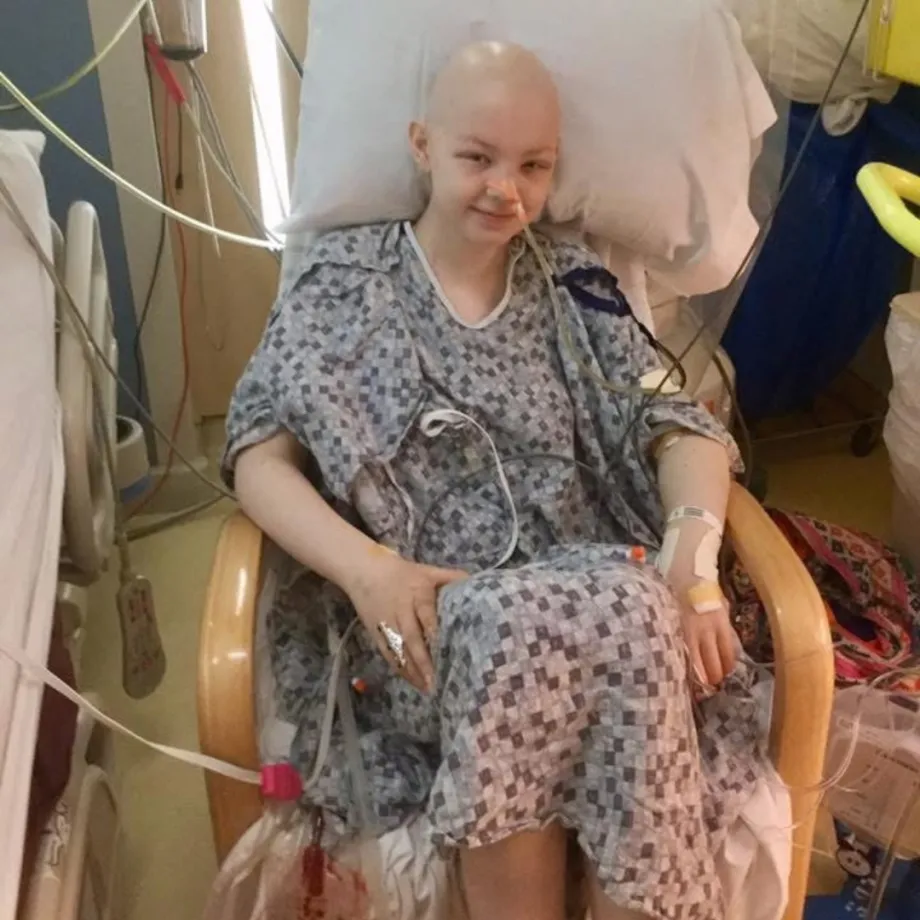
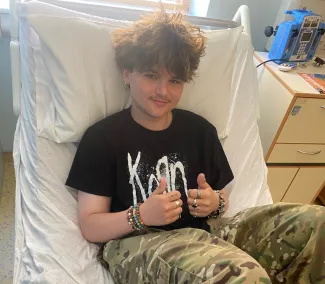
Kira during treatment
I’d sometimes feel that when I was out and about with my wig on, eyebrows painted on and make-up done, and I felt like everyone else my age who was getting to live the normal life I wished I had. But then I would come home and wash off all the makeup and remove my wig to see how ill I really was.
Cancer doesn’t just change your body. It changes your identity. You never come out of treatment the same person you were before. You just can’t. I’d once been the athletic girl on every sports team who would never stop, but after years of harsh treatment, my fitness and mobility took a major hit. Rebuilding that part of my life has been a long, emotional process. My fitness has never been the same. I grew up with aspirations of going into a career in sports, specifically professional wrestling (I know, very rogue). But for me, in the end, that wasn't on the cards anymore.
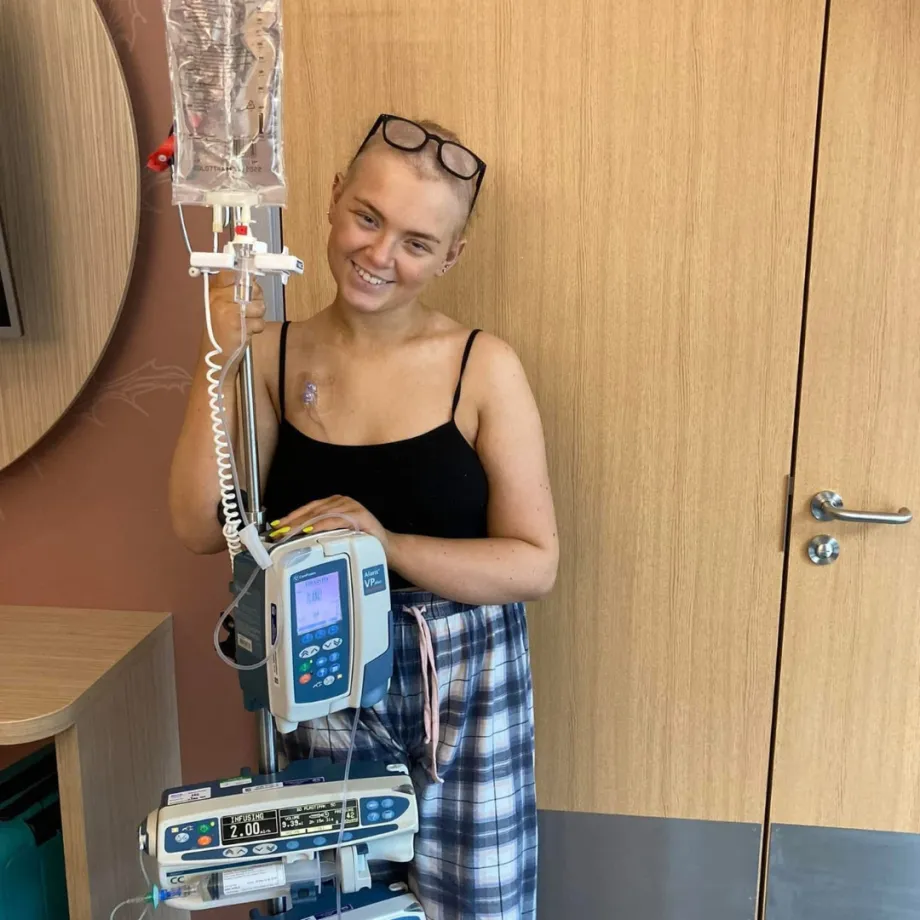
Kira during treatment
What helped me
Through it all, I’ve been fortunate to have a circle of hugely supportive friends and family who lifted me up when I needed it most. They got me through a lot of my darkest moments, especially when there wasn’t a lot of hope. My mum and I would just sit in the hospital day in and day out, laughing at the silliest things and try to see the positives and not dwell on the negativity we were faced with. I also spent seven years, on and off, in therapy, which became a vital part of my healing journey. At first, I was nervous as therapy can sound intimidating and can be daunting, but it turned out to be one of the best decisions I ever made. It gave me a space to talk openly, without fear of judgment or bias. I would look forward to my weekly sessions to be able to talk about the happenings in my week, as well as how I was feeling or what my concerns were.
How hair loss has shaped my career choices
The hair loss, for me, was the hardest part of cancer treatment. As a pre-teen, I didn’t think much of it. But once I entered high school, it hit me just how much our hair shapes our sense of identity. Each time I relapsed, I’d get a new wig – different lengths, colours, and styles – and with each one came the realisation that this was my visible reminder of being sick. But somewhere along the way, my frustration turned into fascination. I started experimenting with all my wigs, learning how to style them, and doing my friends’ hair when I couldn’t do my own. Over time, that passion grew into a new dream. Today, I’m training as a hairdresser, learning in a salon under an incredible mentor. My ultimate goal is to specialise in hair loss and wig work, helping others going through the same struggles I faced. It feels like everything has come full circle, turning pain into purpose.
Embracing life
There’s no going back to the life I had before cancer, but that’s okay. I’ve learned to embrace a new version of normal. My days now include pilates with my best friend, long walks, and nights out at music gigs – I spend most of my ‘adult money’ on live music! Whether it’s coffee dates or dinner with friends, just being able to get out and enjoy life feels like a gift. It’s the small things you learn to appreciate.
My biggest piece of advice for anyone going through something similar is to take each day as it comes. No two days are ever the same, and that’s okay. I try to fill my life with laughter, gratitude and positivity – because there is light even in the darkest moments.
I often say I wouldn’t change what I’ve been through. As hard as it’s been, it shaped me into who I am today. It gave me resilience, perspective, determination and a purpose I might never have found otherwise. Cancer took a lot from me, but it also gave me a deeper appreciation for life and the strength we can find within ourselves when we have no other choice.
I started experimenting with all my wigs, learning how to style them, and doing my friends’ hair when I couldn’t do my own. Over time, that passion grew into a new dream. Today, I’m training as a hairdresser.
From Contact magazine issue 110 | Spring 2026