When I was 21 months old, I was diagnosed with alveolar rhabdomyosarcoma in the orbit of my right eye. I underwent surgery to remove the tumour, followed by 12 months of chemotherapy with the first six of those being particularly intensive. After that, I travelled to Switzerland for proton therapy. While the treatment was effective, it caused some tissue damage in the orbit of my eye socket.
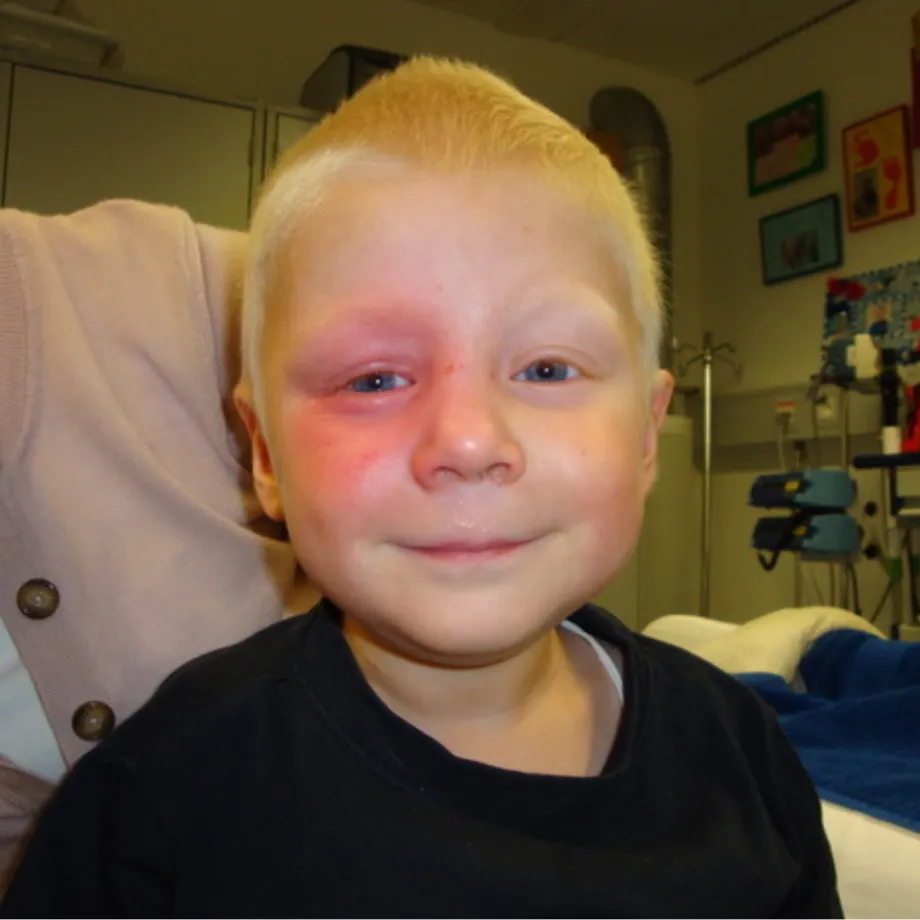
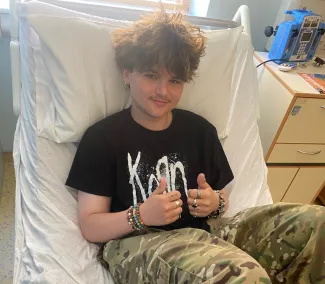
Toby during treatment
Initially, my appearance didn’t change much apart from some redness during proton therapy. However, as I grew older, my face developed normally while the damaged orbit struggled to keep up, resulting in noticeable asymmetry. I always felt different because of this, and as I got older, the difference became something others often noticed as well. Over the years, people’s comments and questions, whether polite or rude, had a big impact on my confidence, as they reminded me of how visible the difference was.
The small, everyday moments caused the deepest breaks in confidence. Examples of this include being stared at on buses or in town, and sensing that people were judging me based on my appearance. Those experiences can be hard to deal with. I’ve learned that one of the best ways to cope is by surrounding yourself with friends who value you for who you are, beyond appearances. Finding those people wasn’t always easy, especially at school where children can often be quick to judge and insensitive, but since moving to university to study finance and investment banking at the University of Exeter, I’ve found it easier to manage.
Recently, I took part in a trip organised by the Ellen MacArthur Cancer Trust in the hope of meeting others who had been through similar experiences. It made a huge difference to me as I could talk to people who understood what I’d been through and the after-effects. It reminded me how important it is to find the right friends as it’s very easy to feel left out or separate from everyone else. It also allows you to feel included and able to get on with life without it constantly being in your mind.
One thing I still struggle with is being in photos. I often avoid having my picture taken because I don’t enjoy seeing myself in them, and sometimes even worry that my appearance might ‘ruin’ the photo for others.
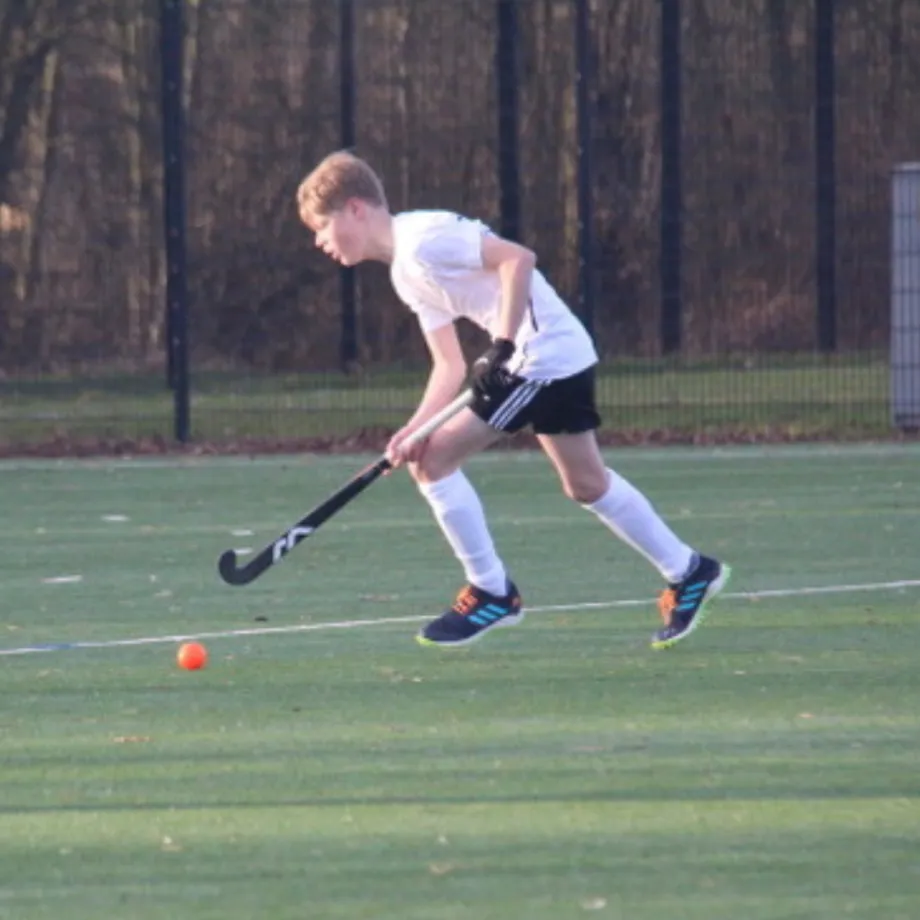
Toby playing Hockey
While there are many unfortunate downsides to living with aesthetic differences, I think it's important to take the positives from these experiences, and I believe there are also some benefits to having experienced life in this way. For one thing, it has allowed me to develop a strength of character that a lot of other people don’t have. Growing up visibly different teaches you important qualities like empathy and resilience and provides you with a difference in perspective. What’s more, it has made me value authenticity in others as it reveals what other people are truly like, making friendships and connections more meaningful.
If I could offer one piece of advice to others, it is to try and focus on your own life, rather than worrying about what others are doing or thinking. This can be difficult, but everyone else is out there living their lives, so don’t waste time not living yours.
From Contact magazine issue 110 | Spring 2026