

Is childhood cancer rare? Four things that are rarer but we know more about
People often say that childhood cancer is rare - but is this accurate? Why parents, families, and people who have had cancer often prefer not to use the term rare.
People often say that childhood cancer is rare - but is this accurate? Why parents, families, and people who have had cancer often prefer not to use the term rare.
Samuel Priestley was 14 years old when diagnosed with pilocytic astrocytoma in 2018. After almost four years of intense treatments and operations, Samuel passed away in February 2022, aged 18.
Aashna first showed signs of cancer when she started limping as she walked down the stairs at school. For an active and healthy child, it seemed okay. But what followed was a month of progressive loss of mobility, day by day. She began crying at school, taking naps after coming home, and complaining of bone pains even while standing. We dismissed her symptoms as tiredness and growing pains, too busy and hopeful that she’d get better.
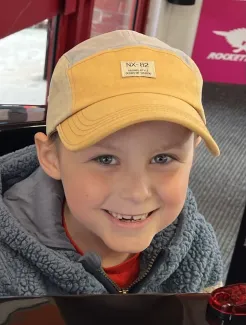
Samuel was diagnosed with high-risk medulloblastoma, a childhood brain cancer, in February 2023 when aged five years old. His mother, Jessica, shares his story.
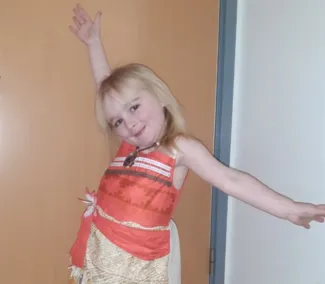
Philippa was just two years old when she was diagnosed with Langerhans cell histiocytosis (LCH), a cancer-like disease. Her mum, Claire, shares her story.
Jamie BartlettBundy, from Hassocks, is taking on the challenge in memory of Pearl, who passed away in 2017 after being diagnosed with a form of bone cancer called Ewing sarcoma.

After Ellie's younger sister was treated for cancer in 2019, she decided on a career in cancer research. We caught up with Ellie after her work experience in a childhood cancer research lab...
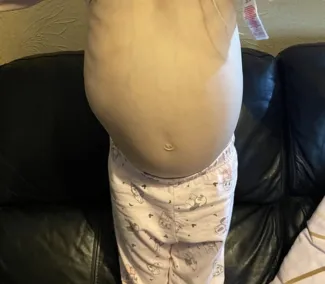
Scarlett-Anne was diagnosed with nephroblastoma, also known as Wilms tumour, at the age of four. Her mother, Abby, shares her story.

Mason was diagnosed with a brain tumour in February 2024 when he was seven years old.