
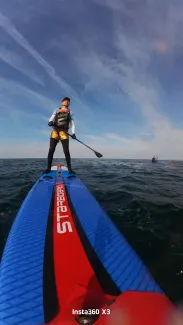
Dad and uncle complete huge charity paddle board challenge in memory of 10-year-old Pearl
Two brothers have paddle boarded across the English Channel to raise a huge sum for children’s cancer research.
Two brothers have paddle boarded across the English Channel to raise a huge sum for children’s cancer research.
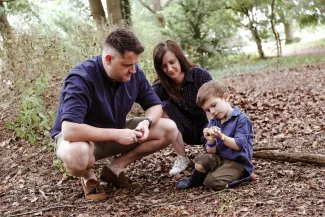
A glamourous evening of entertainment has taken a family’s fundraising for childhood cancer research in memory of their four-year-old son above £250,000.

CCLG: The Children & Young People’s Cancer Association has supported The Little Princess Trust (LPT) in funding four new research projects that aim to develop much-needed new treatments for children with cancer.

CCLG: The Children & Young People’s Cancer Association’s flagship awareness campaign, Child Cancer Smart, has released new guidance on childhood bone cancers today.

There are many types of nurses, each playing a vital role in supporting children and young people through cancer. This week, we spoke to Helen Trower, a research nurse at the Weston Park Cancer Clinical Trials Centre in Sheffield...

We talk to Professor Deborah Tweddle about how understanding more about genetics has helped treatment for neuroblastoma.

Diagnosis is a scary time for families, full of unknowns. So how can we make diagnosis quicker and more accurate? Our researchers have some exciting ideas...

Dr Shaarna Shanmugavadivel explains Child Cancer Smart, our new campaign aiming to improve childhood cancer diagnosis times.
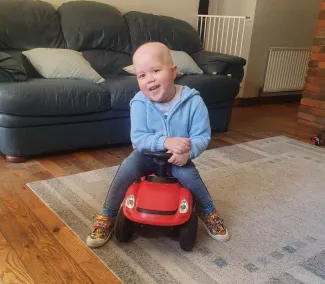
Sean was diagnosed with acute lymphoblastic leukaemia in August 2023, when he was just three years old. His mother, Siobhan, shares his story.