
The new release includes referral guidelines and decision support tools for professionals, and symptom lists to raise public awareness. Together, these aim to shorten diagnosis times for under-18s with abdominal tumours, which can be difficult to detect as symptoms often overlap with common childhood illnesses.
Dr Shaarna Shanmugavadivel, a paediatric emergency medicine doctor and CCLG Child Cancer Smart Research Fellow in the School of Medicine at the University of Nottingham, said:
Around 15% of children with cancer will have an abdominal tumour – any cancer that occurs in the tummy, for example, neuroblastoma, or kidney and liver cancers.
“As an abdominal tumour grows bigger, it causes symptoms by pressing on other structures around it, such as like nerves or other organs. Identifying this as early as possible is important, because later diagnosis risks later stage cancers that may have spread. This can mean higher intensity treatments, or sadly, a lower chance of survival.”
Kidney and neuroblastoma tumours have been shown to be larger or more advanced at diagnosis in the UK compared to other EU countries, which experts link to delays in diagnosis. For kidney tumours, research shows that tumour size at diagnosis in the UK has not improved since the problem was first identified in the early 2000s.
Professor Kathy Pritchard Jones, Emeritus Professor of Paediatric Oncology at UCL Great Ormond Street Institute of Child Health and internationally recognised expert in childhood kidney cancers said:
Late diagnosis matters enormously – it means that tumours are more advanced, and they've had more time to grow and evolve. The most effective thing you can do to maximise the chance of ‘cure at least cost’ is to diagnose the tumour as early as possible.
Child Cancer Smart’s new guidance has also been welcomed by the UK Government. Minister for Public Health, Sharon Hodgson, said: “Every day counts when it comes to diagnosing childhood cancer, and this new guidance is a vital step towards ensuring no child waits longer than necessary to get the answers and treatment they need.
“Our National Cancer Plan sets out an ambitious goal - for three in four people diagnosed with cancer in 2035 to be cancer-free or living well after five years. Early diagnosis is fundamental to achieving that.
“I want to thank CCLG and the researchers behind Child Cancer Smart for their tireless work in equipping GPs and families with the tools to spot the signs sooner. We’re committed to supporting the brilliant science and dedicated professionals who make that possible.”
To support families as well as healthcare professionals, Child Cancer Smart has developed abdominal tumour symptom lists to help parents spot the warning signs earlier.
Leonie Snedden’s five-year-old daughter Lucie was diagnosed with Wilms tumour after multiple visits to the A&E department in October 2021. Thanks to Leonie’s insistence that something was wrong, Lucie received an ultrasound just days later.
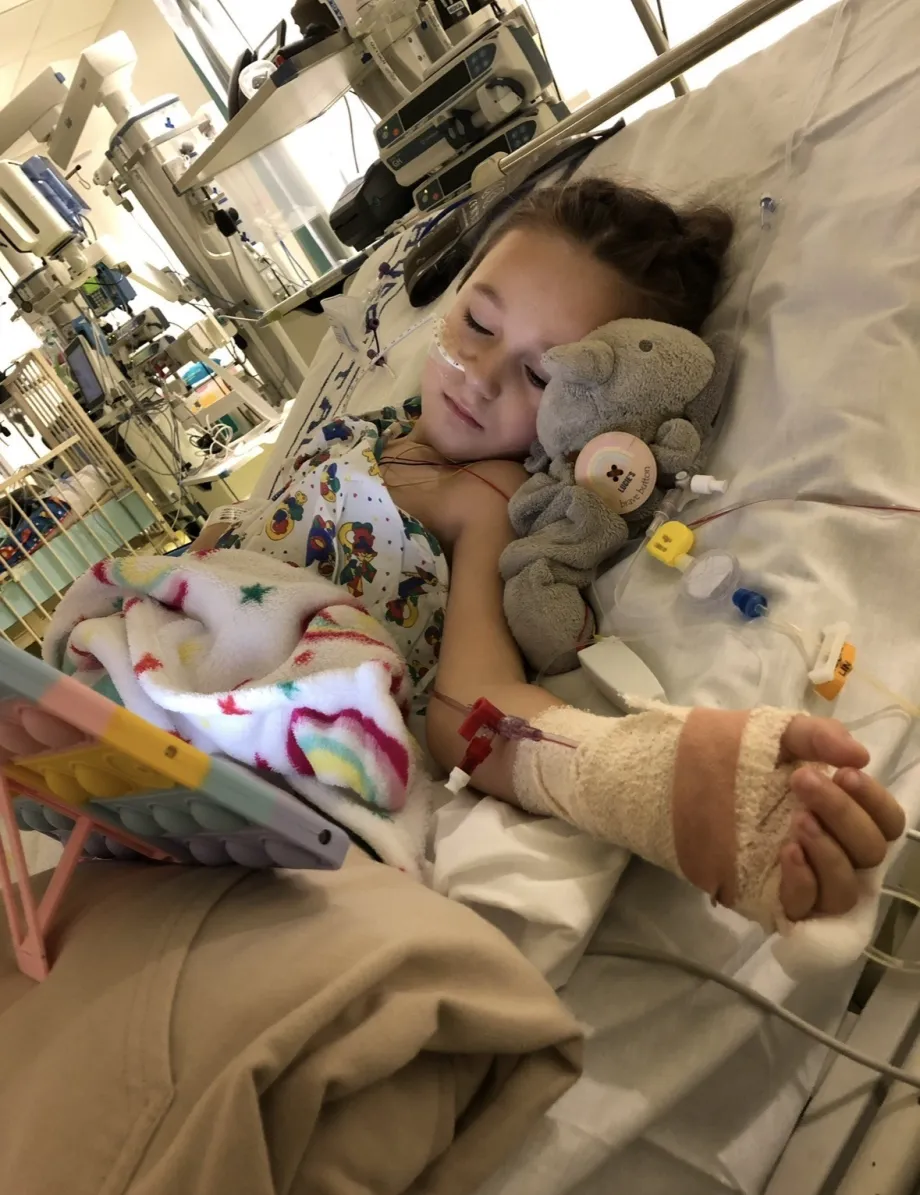
Lucie
“I was told that there was a growth there that shouldn't have been, and that Lucie needed to see a consultant straight away,” said Leonie. “My heart sank, as I just had an awful feeling what they meant.”
Leonie credits her instinct with securing a swift diagnosis and allowing Lucie to begin treatment quickly:
To this day, I always think how lucky it was that I acted on a gut feeling and did not leave it longer. I dread to think how things could have been if not caught so quickly.
Ashley Ball-Gamble, Chief Executive of CCLG, said: “No parent should have to fight for their child’s diagnosis. We hope the new resources offer support to parents advocating for their children and help healthcare professionals spot cancer sooner and save lives.”
Natalie Rowan’s son Harris was only nine months old when he was diagnosed with an aggressive liver cancer called hepatoblastoma in July 2022.
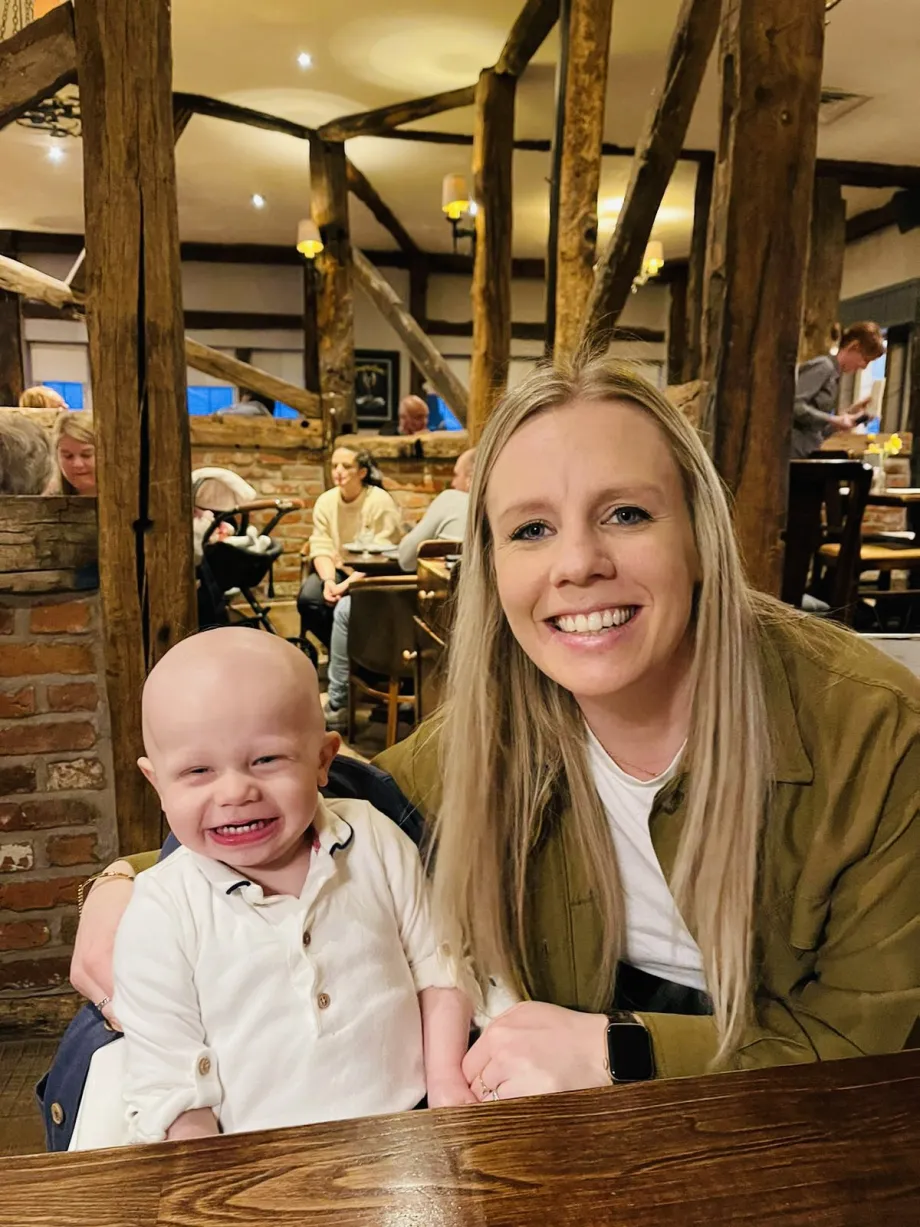
Natalie and Harris
“Time was of the essence,” Natalie said of Harris’s quick diagnosis, “because the cancer had already spread to Harris’s lungs and the extent of disease meant he was on a very high-risk treatment protocol.”
Harris was unable to receive a life-saving liver transplant until the cancer was eradicated from his lungs – something made possible by starting chemotherapy quickly. Natalie hopes that Child Cancer Smart’s campaign will help other families receive faster diagnoses too. She said:
Awareness is power, and anything that speeds up diagnosis is hugely important for more beneficial outcomes.
Find out more about abdominal tumours on the Child Cancer Smart page.
