
CCLG’s new report, titled ‘Mapping Funding of UK Childhood Cancer Research’, investigates whether UK childhood cancer research funded between 2020 and 2025 aligns with the top research priorities identified by the James Lind Alliance Childhood Cancer Priority Setting Partnership (funded by CCLG and The Little Princess Trust).
These priorities reflect what matters most to children with cancer, their families, survivors and professionals - ranging from the development of kinder treatments to improvements in emotional support and inpatient care.
The analysis, led by researchers at the University of Surrey, compared £112.9 million of UK childhood cancer research funding with the top 23 research priorities. This uncovered a clear imbalance between treatment-related research and work focused on patient experience.

Ashley Ball-Gamble, CEO of CCLG
Ashley Ball-Gamble, Chief Executive of CCLG, said: “Identifying the top research priorities was an essential step forward for the childhood cancer field. It means we know exactly what needs to change and what matters most to our families, survivors, and professionals.
“But these priorities can only make a difference if we act on them. We funded this research to understand which priorities are being supported and which are being overlooked. We believe every priority requires urgent attention, and we hope this report will help funders plug the research gaps.”
Alexandra Brownsdon, lived experience representative on the project and survivor of childhood cancer, said:
It is good to see the views and opinions of those directly affected by childhood cancer having an influence on the direction of future research, with the potential of making a real difference to the lived experience and long-term outcomes for young people.
A focus on cancer development and treatment
The report shows that funding is heavily concentrated on just two of the James Lind Alliance research priorities: Priority 1, effective and kinder treatments received £94.2 million; and Priority 2, why children develop cancer, received £16.6 million.
Susie Aldiss, lead researcher at the University of Surrey, said: “It's positive that research is focused on the two priorities that were identified as most important overall in the Priority Setting Partnership.
“The top priority of improving and finding new treatments, is obviously really important for survival, and to help children with cancer live with fewer long-term effects and fewer awful side effects while on treatment. And then, priority two asks why children get cancer and whether it can be prevented - if we can work that out, then that would have a huge impact.”
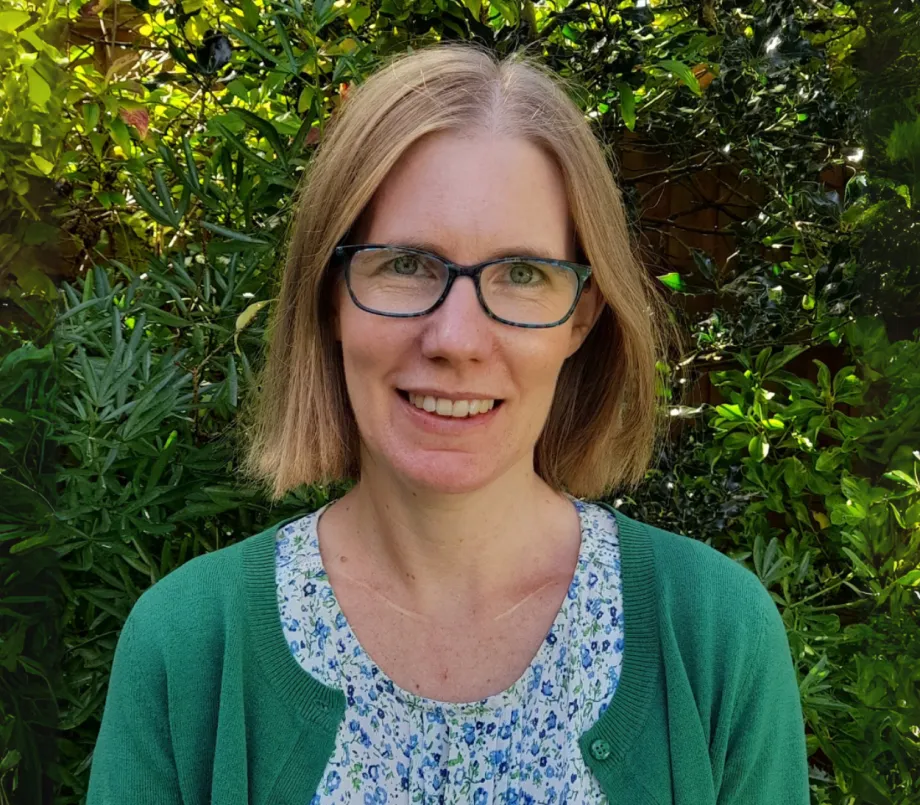
Susie Aldiss, lead researcher at the University of Surrey.
Gaps in the patient experience
The study also identified five priorities that received no dedicated funding at all, including the top priority identified by children – improving their experiences in hospital.
Susie said:
I was surprised that there was so little funding going towards psychosocial aspects, like emotional support or experiences in hospital. When you think of all the different things that could be encompassed in making being in hospital a better experience for children and young people, to find no research focusing on that was really disappointing.
Other research gaps included young people’s experiences of moving to adult services, the long term-effects of additional medications, supporting the wellbeing of professionals, and improving the experience of having a Hickman line. Psychosocial research can directly improve quality of life, yet it remains critically underfunded.
A call for smarter collaboration
Having experienced the difficulties of living through childhood cancer herself, Alexandra hopes that the report “will help alert researchers and policymakers to the priority areas that are currently underfunded” – helping ensure future research funding addresses the unanswered research questions for children with cancer.
This work is not a criticism of existing research. Instead, it lays the foundations for smarter collaboration and more balanced research funding, added Susie.
She explained: “At the moment, everyone's mostly funding the same thing – 29 out of the 30 research strategies we looked at say that they'll fund research on treatments.
“Very few funders are explicitly saying that they'll fund research into the psychological and social aspects of having cancer. If we're going to move the field forward and create meaningful change for children with cancer and their families, there needs to be bigger investment in those priorities too.”
Read the full report here.


