
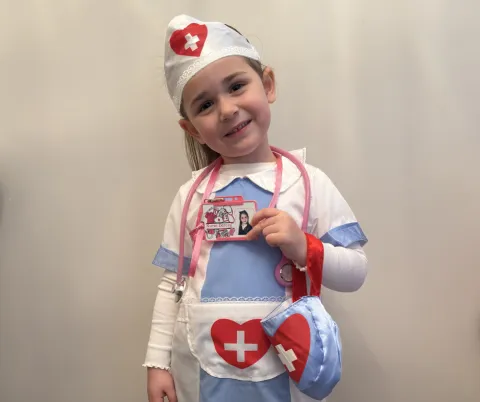
Darcey first started becoming unwell around five or six weeks before her diagnosis. It began with a couple of weeks of constant viruses and a very high temperature. Then, over time, other symptoms started creeping in, such as extreme fatigue, night sweats, joint pain, and bruising. Looking back, there were many signs leading up to her diagnosis that we didn’t relate to anything at the time, but they made much more sense once she was diagnosed.
Because she was so young, Darcey couldn’t tell us how she was feeling, which made things difficult. She had fallen at nursery and bruised her face, and the bruising lasted for nearly three weeks. She would drop to the floor in agony, clutching her legs, and would scream when we tried to put shoes on her feet. As we got closer to her diagnosis, her stomach became very swollen, and her skin turned pale with a yellow-grey tint - she looked very unwell.
For five or six weeks, we visited our GP, walk-in centres, and A&E more than once, only to be told it was a virus, constipation, or simply due to her age and that she was building her immune system. We were made to feel that, as first-time parents, we were overreacting. We eventually made another GP appointment, knowing we wanted a referral to a paediatrician. We didn’t know what for, but we knew something wasn’t right and that we weren’t being listened to.
After a telephone appointment, the GP asked to see Darcey. She took one look at her and was shocked - she contacted our local hospital, and after a review, they asked us to call an ambulance. The fight to be heard wasn’t over, though. Even after a review at our hospital, the doctor said they didn’t see an issue with her stomach or her colour, and again told us it was due to her age. We were told that, since we were there, they would do a blood test. A quick result run through a machine in the room changed the doctor's expression - Darcey’s blood results were dangerously low, and she needed an immediate blood and platelet transfusion.
Darcey’s levels were so low that she could have internally bled at any moment, and if she had cut herself, we wouldn’t have been able to stop it - she had almost no platelets to clot her blood. We had no idea what any of this meant, but at 2 am, a doctor came in to tell us his concerns, and her blood was sent to Great Ormond Street Hospital. The next day, in a room full of doctors and nurses, we were told our 17-month-old daughter had acute lymphoblastic leukaemia (ALL).
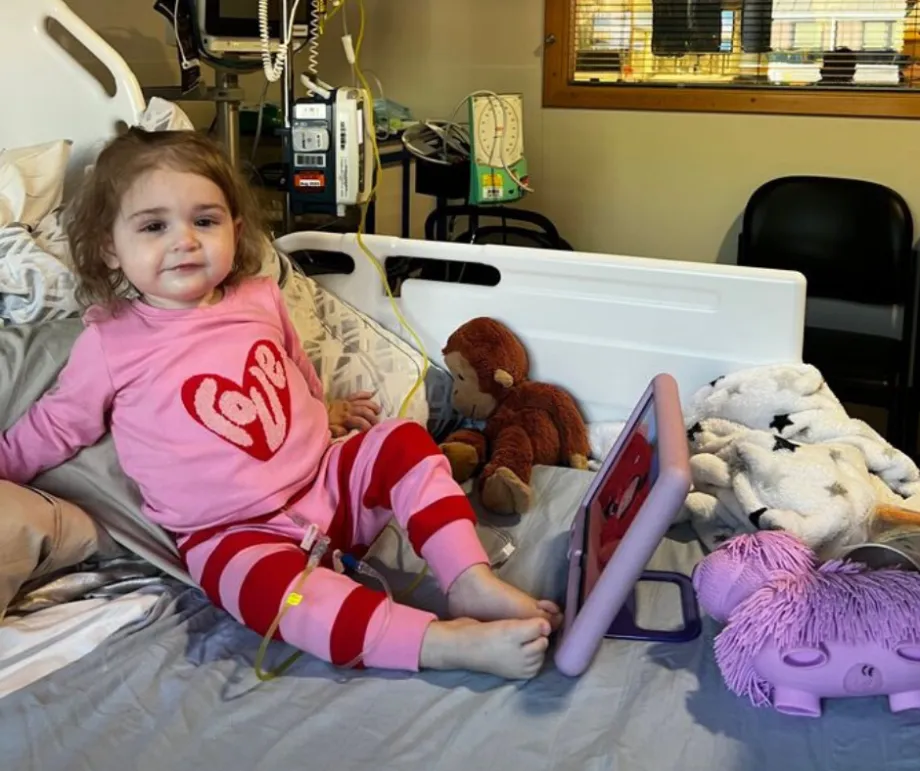
Darcey in hospital
Darcey’s treatment lasted over two years. She immediately started six months of frontline treatment, with various rounds of different treatments and chemotherapy. She then entered the maintenance phase of treatment, where she had chemotherapy every single day.
We watched Darcey undergo general anaesthesia more times than I can count for treatment and various other procedures. She had numerous hospital stays, both planned and unplanned. Darcey’s nurses and doctors were so good to us, and they loved her just as much as we do.
I don’t think anything could have prepared us for our child being diagnosed with cancer, nor can I fully put it into words - it was life-changing, and our lives will never be the same again. It was devastating to watch our child go through treatment and the trauma that came with it. Cancer took so much from her childhood, and that broke my heart. As her mum, I’m not sure I will ever get over what Darcey went through, and I think I will always carry this immense fear of relapse and the side effects she may face because of her treatment.
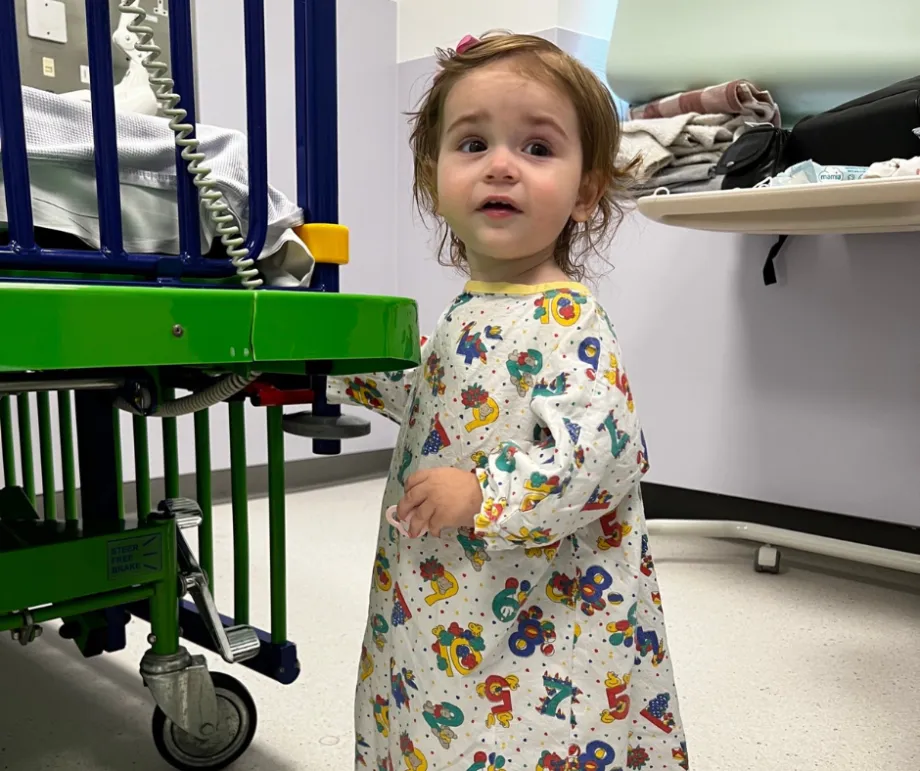
Darcey in hospital
Why research matters
Children are often described as resilient, but I’m so fed up with hearing that. I believe we need to stop using it as an excuse and instead focus on the urgent need for research into all aspects of childhood cancer. It is absolutely vital that we invest in this research.
As the parent of a child with cancer, I have witnessed first-hand - not only with Darcey, but with many other children and families we met along our journey - just how devastating this disease is. The diagnosis, the treatments, the side effects, the risk of relapse, and, heartbreakingly, the fact that not all children survive their cancer are all areas that urgently need research. We must find ways to make treatments kinder, prevent relapses, and ensure that every child survives their diagnosis.
My one wish is that one day we live in a world where cancer no longer exists, and we can only achieve that through funding research.
CCLG funds research into all types of childhood and young people’s cancers to find better, kinder treatments for children and young people facing cancer, just like my daughter, Darcey. Their goal is to ensure that all young people survive cancer and go on to lead happy, healthy lives.
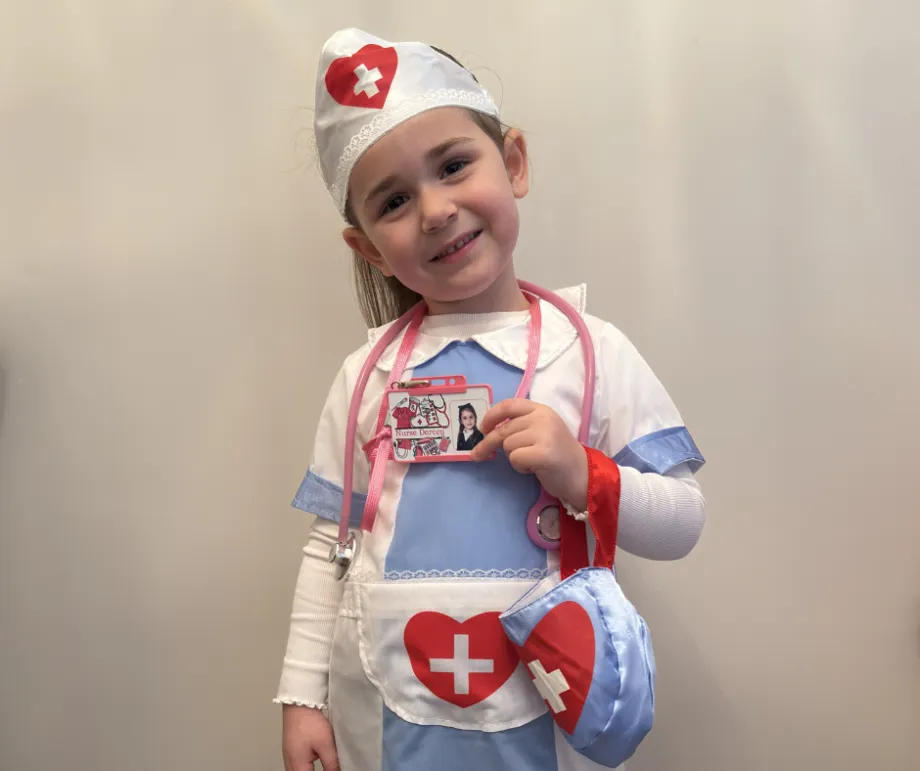
Life after treatment
Darcey is currently 17 months post-treatment and 14 months post–port removal, and she is doing incredibly well. There are still a few concerns, along with some ongoing fears, and as a family we are taking time to settle and find our breath again. I don’t think we will ever fully stop worrying, but she is absolutely thriving.
Since completing treatment, she started school, where she is doing really well. She also became the best big sister to her little brother, Harry, whom she loves so very much. This month, she also turned five, and we all had a wonderful time celebrating together.
Darcey always tells us what she wants to be when she grows up. She says she’d like to be "a doctor or a nurse, so that I can make people better, like they made me better." I think that’s a real testament to her team and the care they’ve given her.
She makes us proud every single day. It is hard to believe everything she has been through before even turning four, and we will always remind her that she is capable of absolutely anything. She is the bravest and strongest girl, with the most amazing, caring, and sassy personality to match.
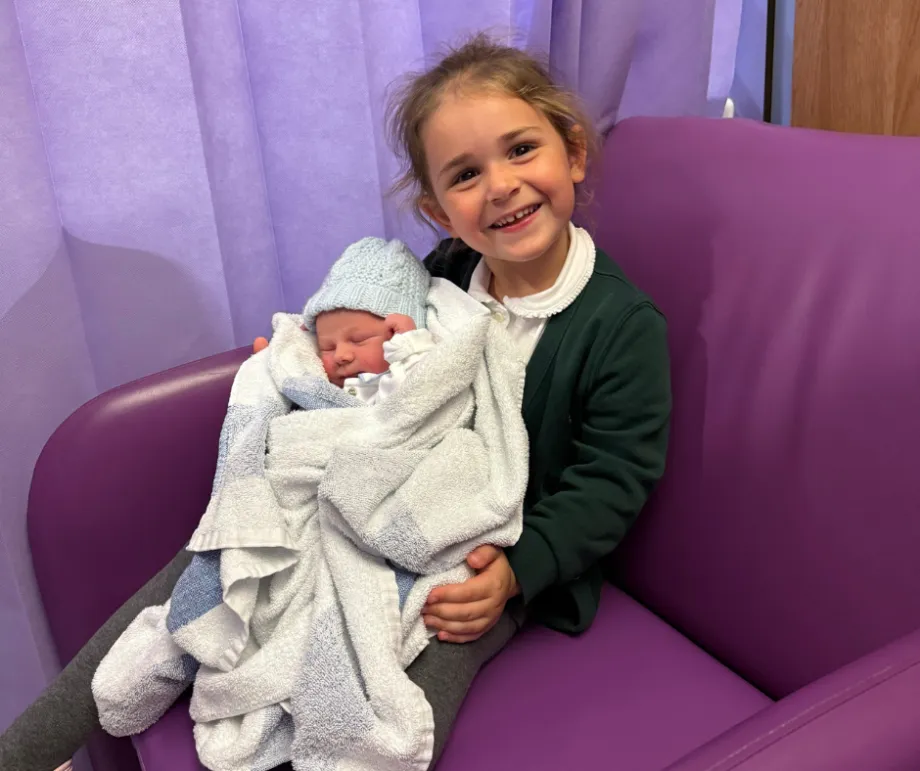
Darcey and her little brother, Harry
Last updated May 2026

