The experts behind it say the new guidelines have potential to help with early recognition, reduce time to diagnosis, improve survival and reduce disease and treatment-related morbidity for children and young people.
Soft tissue sarcomas account for 7% of all childhood cancers, yet the time to diagnosis is one of the longest of all childhood cancers. In the UK, the median time to diagnosis is 6.9 weeks, but one study found a patient who waited 205 weeks - almost four years.
Around one in 10 children with soft tissue sarcoma wait more than six months for a diagnosis, compared with around one in 33 children with leukaemia.
Soft tissue sarcoma can initially look like something far less serious, such as an infection, a bruise or a benign fatty lump. For health care professionals, this can make the cancer difficult to recognise, potentially resulting in delays that allow the cancer to progress.
Equipping healthcare professionals to recognise when something may be more than a simple injury or infection is vital to diagnosing soft tissue sarcoma earlier. For example, a lump should not be assumed to be caused by an injury when there is no clear history of trauma, while red or warm swelling should prompt further investigation if it does not improve with antibiotics.
Dr Sharna Shanmugavadivel, a Paediatric Emergency Medicine doctor and the lead for the Child Cancer Smart campaign said:
Time to diagnosis for soft tissue sarcoma has been shown to have a significant, independent association with overall survival in children, yet it is one of the longest among all childhood cancers. One of the major pitfalls in diagnosing soft tissue sarcoma in children is recognising when something doesn’t fit the expected picture. We are seeing that a lump may be attributed to an injury despite no clear history of trauma, mistaken for a lipoma or bruise, or continue to be diagnosed an infection when it has not responded to antibiotics.
“Recognising that it has not improved as expected or is getting worse and investigating further is crucial. Delays in recognising that something is not right can have serious consequences, allowing a cancer to remain undiagnosed for months or, in some cases, even years.
“Longer delays in diagnosis can lead to poorer outcomes – meaning children are being diagnosed with more advanced disease, requiring more intensive treatment, and in some cases, limb removal or surgery.
“We have created these guidelines because reducing these avoidable delays has the potential to reduce treatment-related harm and save the lives of children across the UK.”
The guidelines aim to shorten the time to diagnosis by providing evidence-based guidance for healthcare professionals.
They apply to children and young people aged 0-18 who present with signs or symptoms that could be caused by a soft tissue sarcoma as it is recognised that there are a number of differences in the presentation, referral pathways and care of children with cancer compared with those of adults.
It covers the signs and symptoms that may indicate soft tissue sarcoma and provides guidance on assessing children and young people who present with these symptoms. It also sets out when imaging should be considered and appropriate waiting times for ultrasound and MRI.
Ashley Ball-Gamble, CEO of CCLG: The Children & Young People’s Cancer Association, added:
Ultimately, we have developed these guidelines to support earlier recognition of soft tissue sarcomas by supporting healthcare professionals to understand the signs and symptoms, and when to consider soft tissue sarcoma as a possible diagnosis. However, because symptoms can be non-specific, raising awareness alone is unlikely to be enough. These guidelines will help healthcare professionals know what to do when soft tissue sarcoma is suspected, from choosing the right imaging and knowing when to use it, to making appropriate referrals for further investigation.
Soft tissue sarcomas are cancers that develop in the body's soft tissues and can occur anywhere in the body. This means symptoms can vary depending on where the tumour develops.
The guideline highlights unexplained lumps, swelling, pain and skin changes over a lump or swelling as symptoms that should alert healthcare professionals to the possibility of soft tissue sarcoma.
Other symptoms can include a limp or restricted movement, localised eye swelling, impaired vision, abdominal or genital swelling, changes in bowel habits, unexplained weight loss, fever, bruising or bleeding, and back pain with or without signs of spinal cord compression.
The guidance has been developed specifically for children and young people because childhood cancers can present differently from cancers in adults.
By providing clear, practical guidance for healthcare professionals, Child Cancer Smart aims to help children and young people with soft tissue sarcoma be investigated and referred more quickly, supporting earlier diagnosis and reducing delays.
Liberty York was 18 when she was diagnosed with angiosarcoma, a type of soft-tissue sarcoma, after a long and difficult journey to receiving the correct diagnosis. Her symptoms had initially been attributed to an autoimmune disease called Addison’s disease which she had been diagnosed with a year earlier.
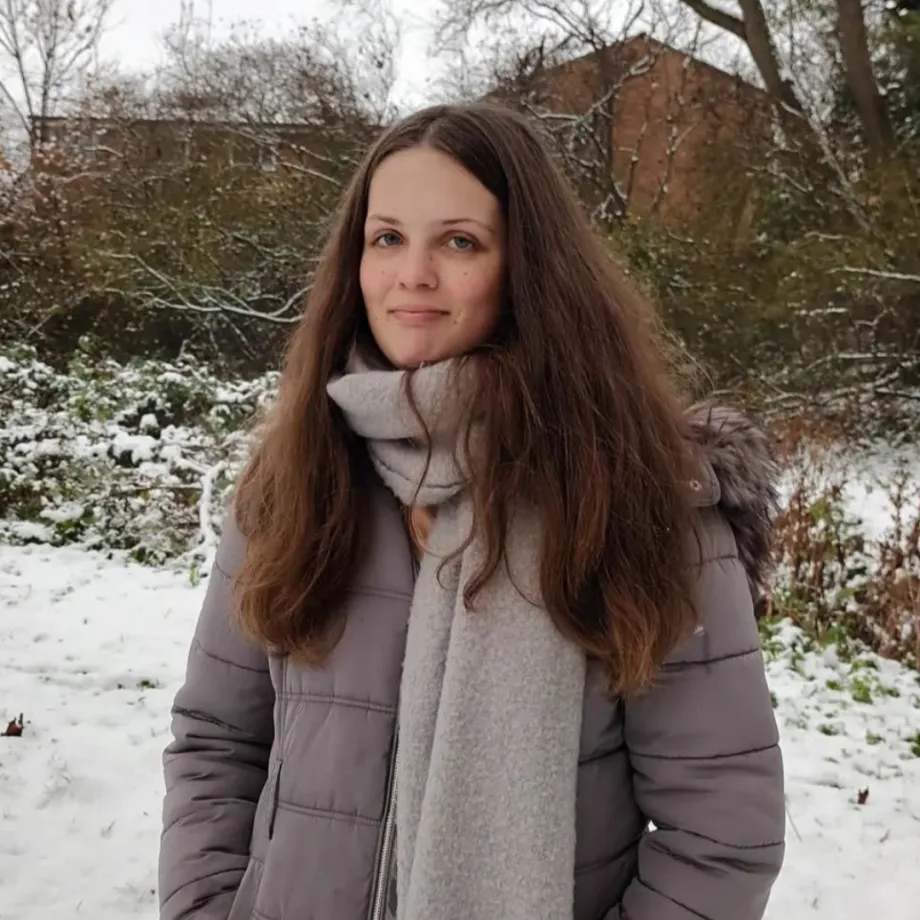
Liberty York
Her mum, Hannah York, explained that Liberty first sought medical attention in May 2024 after developing fatigue and nausea, followed by unexplained breast symptoms, which were initially blamed on Addison’s. At the end of May, she developed discomfort and swelling in her left breast, which became increasingly red and swollen.
She was diagnosed with suspected mastitis and prescribed antibiotics. When these failed to improve her symptoms, she received further courses of antibiotics and attended multiple appointments with different clinicians, including an out-of-hours hospital visit. After five primary-care appointments, she was referred to Breast care.
Breast care believed the swelling was an abscess and carried out repeated drainage procedures. However, the fluid was blood-stained rather than typical of an abscess, and the swelling continued to worsen. The swelling and symptoms were then attributed to a hormonal imbalance, despite progression from a small swelling in late May / early June, to a tumour weighing 10 pounds by the time of surgery.
It was not until August 2024 when a biopsy confirmed Liberty’s diagnosis, after months of experiencing different symptoms and going back and forth for medical care.
Hannah York, Liberty’s mum, said:
I’m not a medical expert but it just baffles me how they can have something so huge and don’t rule out the most serious thing.
Liberty passed away in the early hours of 1 June 2025, days after her 19th birthday on 30 May 2025.
Hannah described the severe emotional toll Liberty’s experience has had on her: “I think the thing for me is that I always feel some guilt for trusting, for not pushing more. When your child takes a long time to be diagnosed, I think there will always be a part of you that wonders, ‘Why didn’t I keep pushing?’”
Speaking about the importance of the guidelines in helping with early diagnosis, Hannah added: “Liberty’s type of sarcoma was a particularly aggressive sarcoma and, after she was operated on, it had spread to her lungs in just six weeks. The difference between days and weeks to diagnosis is so important with sarcoma- she didn’t get a fighting chance.
“If she’d been referred the first time there were worrying symptoms with the swollen breast which took two months then it may not have saved her, but she’d have had more of a chance and less time spent in hospital from when she was diagnosed to when she passed away because she was just so ill straight away.”
Hannah said she wanted to speak out about Liberty’s experience to help others: “Through speaking about the importance of the guidelines, I want to do something to help others, because throughout Liberty’s sarcoma journey, there often didn’t feel like much hope. Her cancer was rare, underfunded and under-researched, so the best chance of helping other people is by making sure they are diagnosed early. I want my awareness work to ensure that some good comes from Liberty’s death and to help other families.”
More about the new guidelines to assist healthcare professionals in the assessment of children and young people who may have a soft tissue sarcoma can be found here.