
In 2016, the Worboys family achieved something extraordinary. Inspired by their experience of childhood cancer, they funded one of CCLG’s earliest Special Named Fund research projects - turning their experience into positive action.
Nick and Amelia Worboys began fundraising for childhood cancer research after their son, Toti, died in July 2014, aged just 11. He was taken to hospital with a suspected infection after a minor operation on 14th July, and his parents were told that he had acute myeloid leukaemia – and that it had triggered a bleed in his brain. Toti died less than a day later.
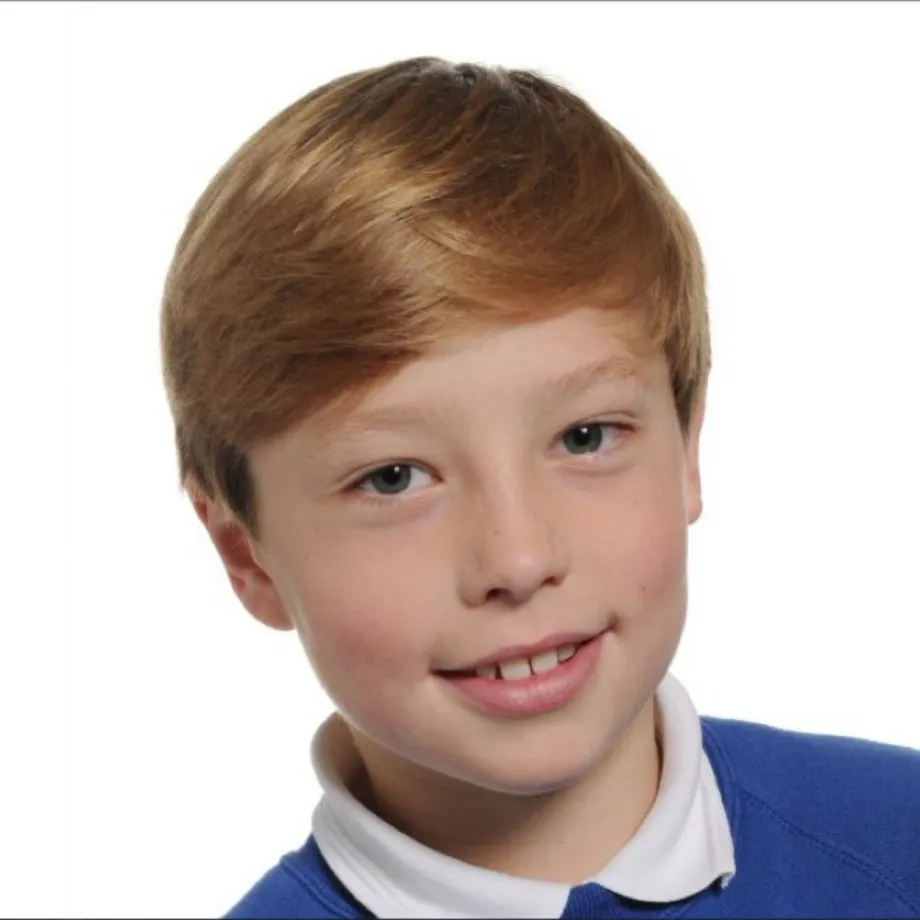
Thomas 'Toti' Worboys
Nick and Amelia set up The Toti Worboys Fund with CCLG to raise money for leukaemia research.
Nick said:
We wanted to raise money for research to help avoid this kind of disaster for other families. One of the consultants who looked after Toti in his final stage, Dr Stephen Lowis, suggested we speak to CCLG. Professionally, he knew they were good at working with families like us who wanted to raise money and invest it in areas that mattered to us. It ticked all the boxes for us.
Just a few years later, their incredible fundraising was put towards a research project. Led by Dr Stefan Meyer, a researcher and doctor at the University of Manchester, the project looked at why some leukaemia is so hard to treat.
“The project was the perfect way of honouring Toti’s memory,” said Nick, “because we really wanted to do it in a positive way.”
Stefan and his team were working on a protein called EVI1, which is known to make acute myeloid leukaemia harder to treat. This protein controls which genes are turned on or off in blood cells and, in low amounts, ensures that the cells develop properly and don’t grow out of control. In some cancers, there are genetic mutations that mean far too many EVI1 proteins are produced. This means that, instead of being selective, the EVI1 proteins turn on lots of different genes. This can make cancer cells resistant to chemotherapy. New research at the time also showed that the same protein causes problems in acute lymphoblastic leukaemia.
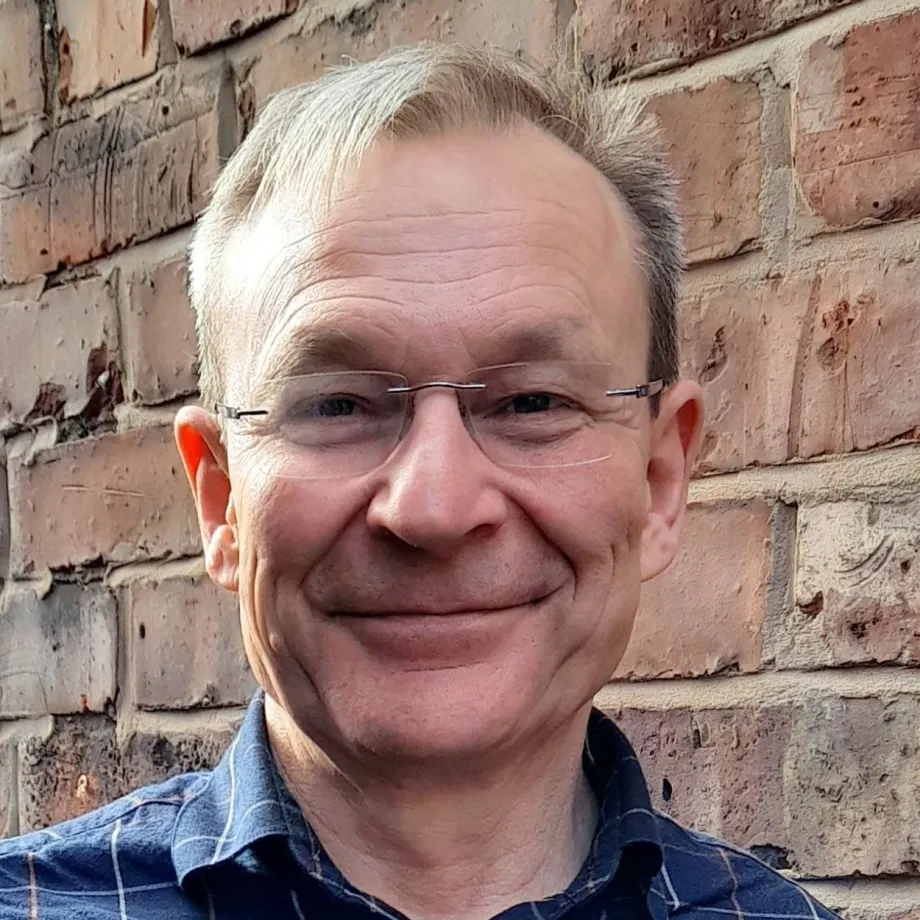
Dr Stefan Meyer
As EVI1 impacts multiple types of leukaemia, and potentially other cancers, Stefan wanted to understand what makes the protein so dangerous at high levels. When the EVI1 proteins turn on the wrong genes, it can change the conditions inside the cancer cell, which can lead to tiny modifications to the EVI1 protein. Cancer treatments like chemotherapy can also cause this. So, Stefan wanted to investigate whether any of these changes to EVI1 help leukaemia cells survive.
Over the course of the three-year project, the researchers discovered two EVI1 changes that affect leukaemia cell survival. The first helps the cancer cells to copy themselves faster. The second is even more insidious – it makes the EVI1 worse at limiting the cancer cell when a child is given chemotherapy. This means that, when the cancer cells are supposed to be dying, they actually have even fewer limits on their growth.
Towards the end of the project, the team began looking at whether they could use their findings to form the basis of a kinder and more effective treatment. They were able to identify a potential way to combat the changes to EVI1, potentially making the cancer more vulnerable to chemotherapy.
Stefan said:
Obviously, research like this is not completed with just one project, and we are still interested in continuing this work. But we made very good progress towards understanding how EVI1 interacts with other proteins to affect the leukaemia cells.
However, Stefan's project was due to end at the worst possible time: 2020, at the height of the COVID-19 pandemic. Sadly, the pandemic affected funding, and Stefan was swept off his feet by clinical work.
Despite the disruption caused by the pandemic, the promising findings continue to shape Stefan's thinking. His team has since secured further funding and hopes to build on the interesting findings from the Toti Worboys Fund project.
“We are now in a position where we have got other funding,” said Stefan, “which is also partly charitable. We have more technologies and abilities now, so we hope to be able to address some of the questions with new methodologies. It would be good if we could carry on this work, because it appears that EVI1 might actually be relevant for other childhood cancers as well.”
Funding from charities like CCLG and The Toti Worboys Fund is “incredibly important”, Stefan added, as it allows researchers to investigate fresh ideas and perspectives. During a visit to Stefan's lab, the Worboys family met the research team and had the chance to find out how their funding was making an impact.
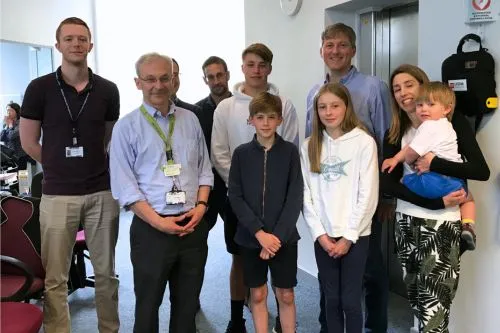
Dr Stefan Meyer and team with the Worboys family when they visited his lab in 2018.
Nick said: "The team took a huge amount of time and care to explain their work to us. We only understood a little of the science, but it was obvious how important the research was.”
Seeing the work up close also showed the true value of their fundraising, he added:
When you meet the researchers and realise that your fundraising is helping the research community, helping families affected by cancer, and helping the people carrying out the research, you see that it's much bigger than you first imagined.
To date, The Toti Worboys Fund has raised over £420,000 and funded 13 research projects into childhood leukaemia, making Toti’s legacy one of progress and positivity.
Find out more about the CCLG Special Named Fund programme, and how it allows families to fund the research into the areas that matter to them, here.
We'd love to hear what you thought about this blog - please share your feedback here!

Ellie Ellicott is CCLG’s Research Communication Executive.
She is using her lifelong fascination with science to share the world of childhood cancer research with CCLG’s fantastic supporters. You can find Ellie on X: @EllieW_CCLG


