Magazine articles list

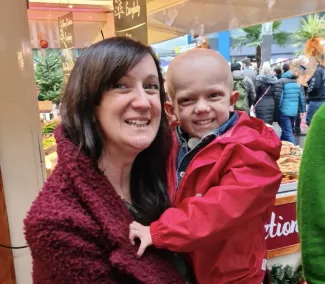
“Writing gave me something to focus on”

Raysa Farah’s son, S’aad, was diagnosed with leukaemia aged two. Here, she explains how her and S’aad’s experiences during his treatment inspired her to write a children’s book, empowering both her and other young children with cancer.

A woman with short brown hair is wearing a cream cardigan and standing in front of a children's hospital

Donating cancer samples for research

A biobank is a store for cancer samples which are then released for research studies. Professor Deb Tweddle, Director of VIVO Biobank, Professor of Paediatric Oncology and Honorary Consultant at Newcastle University and Newcastle Hospitals, and Dr Mariya Geneshka, Research Associate at the University of York, tell us more about donating samples for biobanking, and its importance to improving treatment and care.

Building a good relationship with your child's doctor during treatment

The relationship between oncologists and parents of children with cancer can be complex and unique, with each family having differing needs. Dr Ren Manias, Consultant Paediatric Oncologist at Southampton General Hospital and Contact's medical adviser, tells us how open and honest communication between doctors and parents is key to developing trust and understanding, and why this is important.

What is patient and public involvement (PPI) in research?

Dr Sarah Evans, Head of Research at CCLG, describes what patient and public involvement (PPI) involves. PPI is about researchers and those who fund research teaming up with people who have personal experience with a health condition. This collaboration helps make sure that research focuses on what really matters to the people it’s meant to help, like patients and their families.

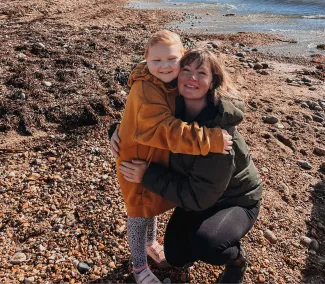
A parent's view... Facing challenges with the education system

Lauren Bryce’s son, Alfie, had just begun his final year of school when he was diagnosed with leukaemia, aged 15. Here, she tells us about their struggles with the education system after his diagnosis and what could have helped him as he prepared to take his GCSEs.

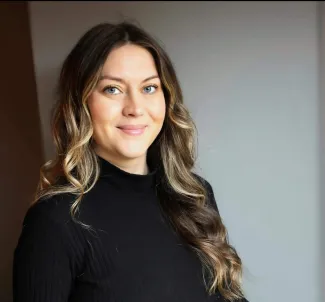
How schools can adapt to flexible learning

Sophie Barclay was 15 when diagnosed with a brain tumour, making schooling and exams difficult. Now 18, she tells us how, with the support of her school, she has received a conditional offer for university.

Medical advisor (issue 103)

Dr. Ren Manias, Consultant Paediatric Oncologist at Southampton General Hospital, explains that while a cancer diagnosis impacts a child's learning, various support options—including hospital schools, home tutoring, and remote learning—are available to help maintain educational continuity and emotional wellbeing during and after treatment.

Delivering packaged drugs into paediatric brain tumours using ultrasound

Diffuse midline glioma is a devastating brain tumour, affecting primarily young children. There’s currently no cure for this disease and treatment options are limited. This is mainly because this type of tumour is well-protected from drugs by the ‘blood-brain barrier’. This barrier physically blocks all medications from entering the brain. Our group has developed new methods of bypassing this barrier using focused ultrasound.